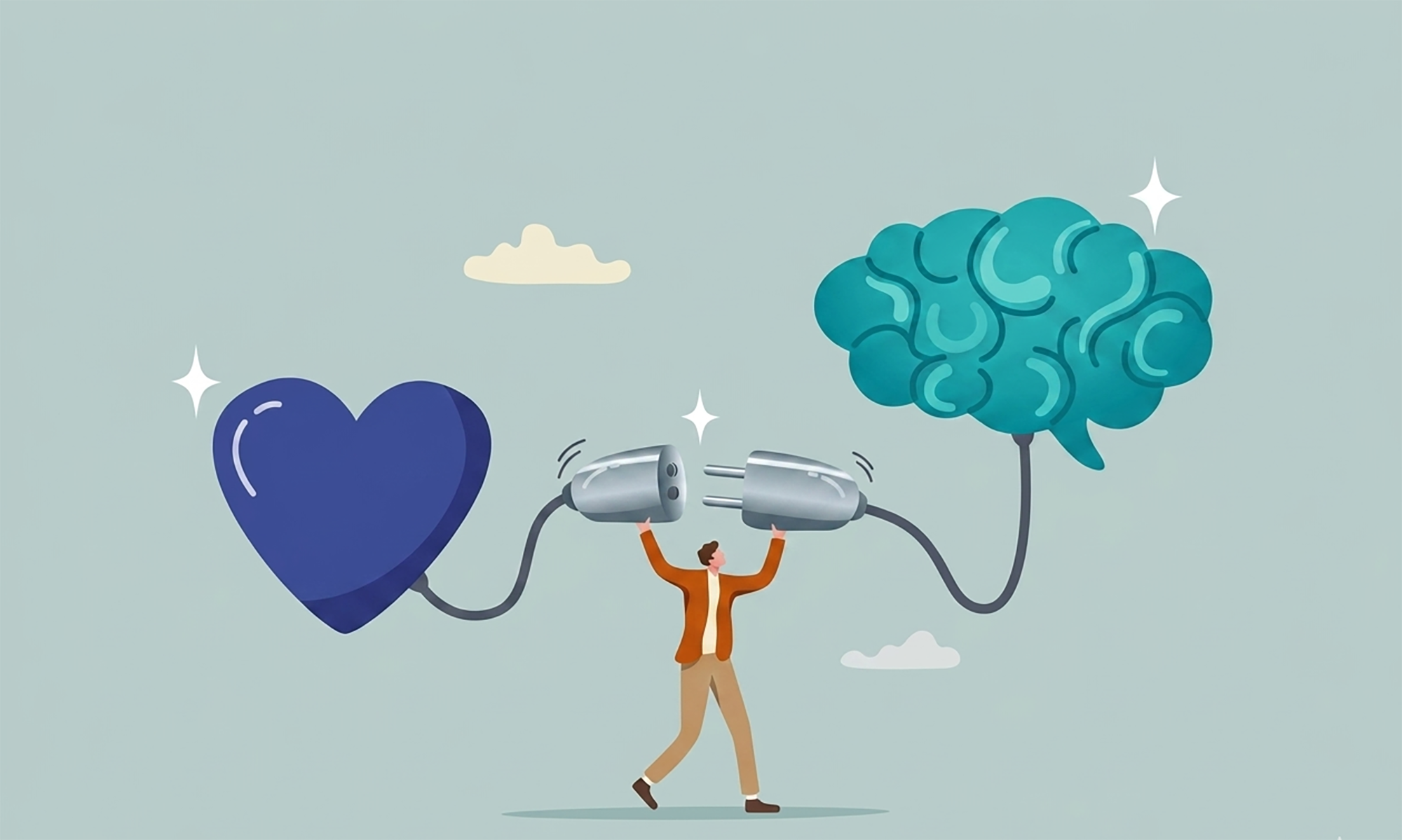
Emotional Coherence Assessment
Evidence-based · 5 minutes

Emotional
Coherence Index

Measure Your Internal Alignment

Not a label. A mirror. See where your thoughts, emotions, actions, and relationships align, and where they don't.
Before You Start

Take a moment.

Before you answer these questions, I want you to understand what's about to happen.

This isn't a typical assessment. It's not trying to label you or put you in a box.

This is a mirror.

A mirror that shows you exactly where your internal alignment is—and where it isn't.

The next 5 minutes are about you getting honest with yourself. Not with the assessment, not with me. With yourself.

Here's how to get the most from this

1

Create Space

Find a quiet place where you won't be interrupted for the next 5-7 minutes.

Your phone on silent. Slack closed. No tabs open with work emails.

This time is for you to reflect on you.

2

Grab Something

A cup of coffee. Tea. Water. Whatever helps you settle.

Not because you need caffeine, but because the ritual of holding something warm signals to your body: "We're pausing. We're present."

3

Get Present

Take 30 seconds before you start.

Close your eyes. Take 3 deep breaths. Notice your body.

You're about to answer questions about your real life—not the version you tell people, but the version you live. The version only you know.

Here's what matters

Be honest. Not politically correct. Not the version of you that you think you should be.
The actual version.

For example:

If the question says: "I can identify what triggers my stress reactions in real-time"
And you're thinking: "Well, intellectually I understand my triggers, but in the moment I usually just react..."

Answer honestly. Your real experience, not your theoretical understanding.

The assessment is measuring your actual life, not your self-concept.

After you finish

You'll get a score. Not a judgment, but data.

  • Data about where your internal alignment is strongest and where it's fracturing.
  • Data that shows you the real cost of where you are.
  • Data that points to the path forward.

And most importantly: an invitation to change it.

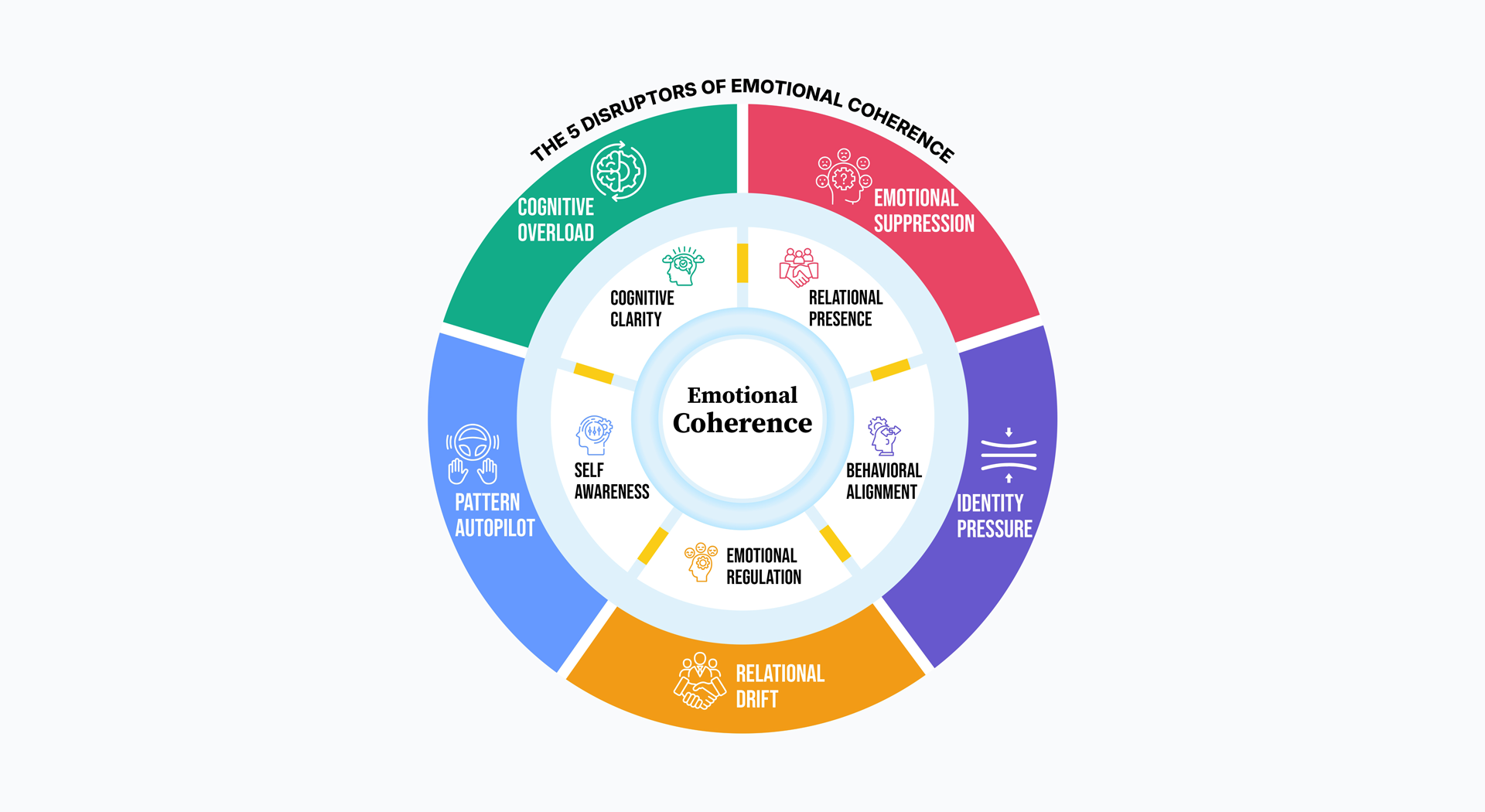
Emotional Coherence Framework

Let's begin

Sit with yourself for the next 5 minutes.
Be honest. See what's actually true. Then we'll talk about what it means.

Start Assessment →

The Emotional Coherence Index Assessment takes 5 minutes. Your personalized results will appear immediately after completion, sent to the email you provide.

⚠️ Before you start — this is a mirror, not a test.

There is no "pass" or "fail". Only honest reflection. Your answers will show you where your internal alignment is strong, and where it's costing you.

Find a quiet space (5–7 min)
Turn off Slack / notifications
Answer for the real you, not the ideal you
You'll get a personalised report

Tell us about yourself

Your information is secure. We'll send your detailed ECI report and personalised insights.

* Required fields

Emotional Coherence Index © Joypreneur · 5 min assessment
Curious?

Frequently Asked Questions

Quick answers to the most common questions about the Emotional Coherence Index.

What is the Emotional Coherence Assessment?

The Emotional Coherence Assessment is a self-evaluation tool designed to measure how well your thoughts, emotions, behaviors, and relationships align. It helps identify areas that may be affecting your leadership effectiveness, decision-making, and overall well-being.

How does emotional coherence affect leadership performance?

Emotional coherence helps leaders make clearer decisions, regulate stress more effectively, improve communication, and build stronger relationships. When leaders operate from internal alignment, they can lead with greater confidence and consistency.

Who should take the Emotional Coherence Assessment?

This assessment is ideal for executives, entrepreneurs, business owners, managers, professionals, and anyone seeking greater self-awareness, emotional resilience, and leadership effectiveness.

What can I learn from my Emotional Coherence Score?

Your score provides insights into emotional regulation, self-awareness, decision-making patterns, relationship dynamics, leadership presence, and areas for personal growth.

Is emotional coherence the same as emotional intelligence?

While emotional intelligence focuses on recognizing and managing emotions, emotional coherence goes deeper by assessing the alignment between thoughts, emotions, actions, and relationships for sustainable leadership performance.

How accurate is the Emotional Coherence Assessment?

The assessment is designed to provide meaningful insights into behavioral and emotional patterns. It serves as a starting point for self-reflection, leadership development, and personal transformation.

Can emotional coherence improve decision-making?

Yes. Leaders with higher emotional coherence often experience greater clarity, reduced mental noise, improved focus, and more objective decision-making under pressure.

Why is self-awareness important for leaders?

Self-awareness enables leaders to recognize blind spots, manage reactions, understand their impact on others, and make better strategic decisions in complex situations.

How does emotional stress impact leadership effectiveness?

Unmanaged emotional stress can affect communication, judgment, relationships, and performance. Over time, it may contribute to burnout, reduced productivity, and leadership fatigue.

Can this assessment help prevent leadership burnout?

The assessment helps identify emotional pressure points and areas of internal misalignment that may contribute to burnout, allowing leaders to take proactive steps toward sustainable performance.

How long does the Emotional Coherence Assessment take?

Most participants complete the assessment in approximately 5–10 minutes, depending on their responses.

Is the assessment suitable for entrepreneurs and business owners?

Yes. Entrepreneurs often face high-pressure environments where emotional resilience, self-awareness, and decision-making are critical for long-term success.

How often should I take the Emotional Coherence Assessment?

Many professionals choose to retake the assessment every 3–6 months to track progress, monitor growth, and measure improvements in emotional alignment and leadership effectiveness.